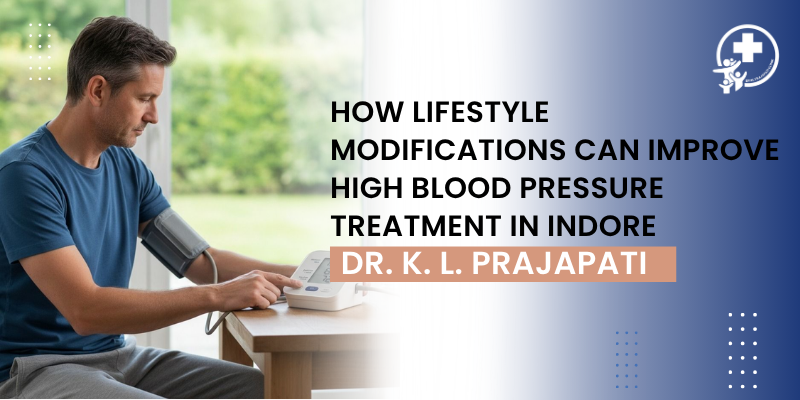
High blood pressure is one of the most common health problems today. It often develops slowly, and many people do not realize they have it until complications appear. According to the World Health Organization (WHO), around 1.28 billion adults worldwide live with hypertension, and nearly 46% are unaware of their condition. When blood pressure remains high for a long time, it can damage the heart, brain, kidneys, and blood vessels. In fact, uncontrolled hypertension contributes to about 10.8 million deaths globally every year. This is why early care, healthy habits, and regular health check-ups are very important. Many people searching for High Blood Pressure Treatment in Indore are now learning that lifestyle changes can help control blood pressure and reduce long-term health risks.
In India, studies suggest that around 1 in 4 adults may have high blood pressure, mainly due to stress, unhealthy diet, and lack of physical activity. If you experience symptoms like headaches, dizziness, or fatigue, consulting a doctor is important. Dr KL Prajapati, a trusted consultant physician in Indore, helps patients understand their condition and guides them with practical lifestyle advice along with medical care when needed. Proper Hypertension Treatment in Indore focuses not only on medicines but also on improving daily habits to support long-term heart health.
Understanding High Blood Pressure in Simple Words
Blood pressure is the force with which blood pushes against the walls of the arteries as the heart pumps blood throughout the body. The heart beats about 100,000 times every day, sending blood to every organ, so maintaining normal pressure is very important for overall health. When this pressure becomes too high for a long time, it can damage blood vessels and increase the risk of heart disease and stroke.
Blood pressure is measured using two numbers, and it is written as systolic over diastolic.
Systolic Pressure – This is the pressure when the heart beats and pushes blood into the arteries. It is the top number in a blood pressure reading.
Diastolic Pressure – This is the pressure when the heart relaxes between beats. It is the bottom number in the reading.
A normal blood pressure reading is usually around 120/80 mmHg. When blood pressure rises to 140/90 mmHg or higher, it is considered high blood pressure or hypertension.
Doctors generally aim to keep blood pressure within a safe range:
Normal Blood Pressure
120/80 mmHg
High Blood Pressure
140/90 mmHg or higher
Target Blood Pressure
• General adults: Below 140/90 mmHg
• High-risk patients (diabetes or kidney disease): Below 130/80 mmHg
Even a small rise in blood pressure can affect health. Research shows that every 20 mmHg increase in systolic blood pressure can double the risk of heart disease and stroke. This is why early diagnosis and proper care are important. Effective Hypertension Treatment in Indore focuses on both medical treatment and lifestyle improvement to keep blood pressure within a healthy range and reduce long-term risks.
Important Facts and Figures About High Blood Pressure
Understanding the scale of the problem helps people take it seriously and take preventive action.
- According to the World Health Organization, around 1.28 billion adults worldwide live with hypertension.
• Nearly 46% of people with high blood pressure are unaware of their condition.
• High blood pressure is responsible for about 10 million deaths globally every year.
• In India, studies suggest that 1 in every 4 adults may have hypertension.
• High blood pressure is a major cause of stroke and heart attack worldwide.
• Lifestyle changes such as healthy eating, reducing salt intake, and regular exercise can reduce blood pressure by 10–20 mmHg in many people.
These facts show why awareness, regular monitoring, and early Hypertension Treatment in Indore are extremely important for protecting long-term heart health.
Common Causes of High Blood Pressure
High blood pressure usually develops slowly over time and can be influenced by many different factors. Some causes are related to daily lifestyle habits, while others are linked to medical conditions or family history. Studies show that unhealthy lifestyle habits contribute to nearly 80–90% of hypertension cases. Understanding these causes can help people take early steps toward prevention and proper care.
Lifestyle Causes
- Excess salt intake – Consuming too much sodium can cause the body to retain water, increasing blood pressure. The WHO recommends less than 5 grams of salt per day, but many people consume almost double this amount.
• Unhealthy diet – Diets high in processed foods, fried items, and saturated fats can increase the risk of hypertension and heart disease.
• Lack of physical activity – People who are physically inactive have a 20–30% higher risk of developing high blood pressure.
• Smoking – Each cigarette can temporarily raise blood pressure and damage blood vessels over time.
• Alcohol consumption – Excess alcohol intake can raise blood pressure and weaken the heart.
• Chronic stress – Long-term stress releases hormones that increase heart rate and blood pressure.
• Poor sleep – Sleeping less than 6 hours per night has been linked with a higher risk of hypertension.
Medical and Genetic Factors
- Family history of hypertension – People with hypertensive parents have a higher chance of developing the condition.
• Diabetes – Around 60% of people with diabetes also develop high blood pressure.
• Kidney disease – The kidneys play an important role in regulating blood pressure.
• Obesity – Being overweight increases the workload on the heart and blood vessels.
• Hormonal disorders – Certain hormonal imbalances can affect blood pressure levels.
A skilled consultant physician in Indore, such as Dr KL Prajapati, can help identify the exact causes and guide patients with effective Blood Pressure Management in Indore through lifestyle changes and proper treatment.
Signs and Symptoms of High Blood Pressure
High blood pressure is often called the “silent killer” because many people may not notice any symptoms for years. In fact, research shows that almost half of people with hypertension are unaware they have the condition.
However, when blood pressure becomes very high, some warning signs may appear. These symptoms should not be ignored.
- Frequent headaches, especially in the morning
• Dizziness or lightheadedness
• Blurred or disturbed vision
• Shortness of breath during normal activities
• Chest discomfort or tightness
• Occasional nosebleeds
Although these symptoms may not always mean hypertension, they can indicate that blood pressure is rising. Regular health check-ups are important because blood pressure can increase without noticeable symptoms.
If these signs occur frequently, consulting a doctor for proper High Blood Pressure Treatment in Indore can help diagnose the condition early and prevent complications.
The “Silent Killer”: Why High Blood Pressure Often Goes Unnoticed
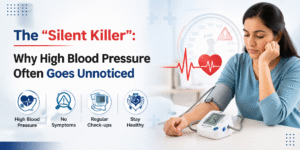
One of the most surprising facts about high blood pressure is that many people feel completely normal even when their blood pressure is dangerously high. This is why doctors often call it the “silent killer.”
Unlike many other health conditions, hypertension usually does not show clear warning signs in the early stages. A person may continue daily activities without realizing that their heart and blood vessels are under constant stress.
Interesting Facts About Silent Hypertension
- Nearly 50% of people with hypertension do not know they have it.
• Many patients discover the problem only during a routine health check-up.
• High blood pressure can damage organs slowly for years without symptoms.
• It is one of the leading causes of stroke and heart disease worldwide.
Because symptoms are often absent, regular blood pressure checks are extremely important.
Doctors who provide High Blood Pressure Treatment in Indore often advise adults above the age of 30 to check their BP at least once every few months. Early detection allows proper Blood Pressure Management in Indore before complications develop.
An experienced consultant physician in Indore, such as Dr KL Prajapati, encourages preventive check-ups and awareness so that patients can control hypertension before it affects the heart, brain, or kidneys.
Regular monitoring, healthy lifestyle habits, and timely Hypertension Treatment in Indore can help people live a long and healthy life without complications.
Health Risks of Uncontrolled Blood Pressure
When high blood pressure is not controlled, it can slowly damage important organs in the body. Over time, the constant pressure inside the arteries makes them stiff and narrow, which reduces proper blood flow. According to global health studies, high blood pressure is responsible for nearly 50% of heart disease cases and about 60% of strokes worldwide. This is why early diagnosis and proper management are extremely important.
Possible Complications
- Heart attack – High blood pressure forces the heart to work harder, which can damage the heart muscles and increase the risk of heart attack.
• Stroke – Hypertension can weaken or block blood vessels in the brain. Studies show that uncontrolled blood pressure is the leading cause of stroke worldwide.
• Kidney damage – The kidneys contain many tiny blood vessels that filter waste from the body. High blood pressure can damage these vessels and affect kidney function.
• Vision problems – Hypertension can damage the small blood vessels in the eyes, leading to blurred vision or even vision loss.
• Heart failure – When the heart works too hard for a long time, it may become weak and unable to pump blood properly.
• Memory problems – Long-term hypertension can affect blood flow to the brain and may increase the risk of cognitive decline.
Research shows that controlling blood pressure can reduce the risk of stroke by about 40% and the risk of heart disease by about 25%. This clearly highlights why timely Hypertension Treatment in Indore is essential to prevent serious health complications.
Lifestyle Changes That Help Control Blood Pressure
Doctors and health experts around the world recommend lifestyle modification as the first and most important step in managing high blood pressure. Healthy habits not only help lower blood pressure but also improve overall heart health and reduce the need for medications in some cases.
Studies suggest that adopting healthier habits such as reducing salt intake, maintaining a healthy weight, exercising regularly, and managing stress can lower blood pressure by 10–20 mmHg in many individuals. These changes also help medicines work more effectively and reduce the risk of long-term complications.
-
Reduce Salt Intake
Too much sodium in the diet increases fluid retention in the body, which raises blood pressure. According to the World Health Organization, high salt intake is one of the major causes of hypertension worldwide. Reducing salt is one of the easiest and most effective ways to control blood pressure naturally.
Recommended Salt Intake
Health experts recommend less than 5 grams of salt per day (about one teaspoon in total from all foods). However, studies show that many people consume 8–10 grams daily, which is almost double the recommended amount.
Foods to Limit
- Pickles
• Papad
• Namkeen snacks
• Packaged foods
• Chips
• Processed sauces
Better Choices
- Fresh home-cooked meals
• Herbs and spices like jeera, garlic, coriander
Reducing salt intake can lower blood pressure by about 5–6 mmHg, making it an important step in High Blood Pressure Treatment in Indore.
-
Follow the DASH Diet
The DASH Diet (Dietary Approaches to Stop Hypertension) is one of the most effective dietary plans for controlling blood pressure. It focuses on foods rich in fiber, potassium, calcium, and magnesium, which help relax blood vessels and improve heart health.
Research shows that following the DASH diet can reduce blood pressure by 8–14 mmHg, especially when combined with reduced salt intake.
Foods to Eat More
- Fruits like banana, apple, orange
• Vegetables such as spinach, bottle gourd, tinda
• Whole grains
• Pulses and lentils
• Low-fat dairy products
Foods to Reduce
- Ghee and butter
• Red meat
• Fried foods
Doctors providing Hypertension Treatment in Indore, including Dr KL Prajapati, often recommend the DASH diet for maintaining healthy blood pressure and improving long-term heart health.
-
Maintain a Healthy Weight
Extra body weight puts more pressure on the heart and blood vessels. When a person is overweight, the heart needs to work harder to pump blood, which increases blood pressure.
Healthy BMI Range
A healthy Body Mass Index (BMI) usually falls between 18.5 – 24.9.
Weight Loss Benefits
- Losing 5–10% of body weight can significantly reduce blood pressure
• Research shows that every 1 kg weight loss may reduce BP by about 1 mmHg
Maintaining a healthy body weight is an important part of effective Blood Pressure Management in Indore.
-
Exercise Regularly
Physical activity strengthens the heart and improves blood circulation. A stronger heart can pump blood more efficiently, which reduces pressure on the arteries.
Doctors recommend at least 150 minutes of moderate exercise per week to maintain good cardiovascular health.
Good Exercise Options
- Brisk walking
• Cycling
• Swimming
• Light jogging
A simple routine can be:
30 minutes of activity daily for 5 days a week
Regular exercise can reduce blood pressure by 4–9 mmHg, making it a key component of High Blood Pressure Treatment in Indore.
-
Limit Alcohol Consumption
Excess alcohol can raise blood pressure and increase the risk of heart disease. Studies show that heavy alcohol consumption can significantly increase the risk of hypertension.
Recommended Limits
- Men – up to 2 drinks per day
• Women – up to 1 drink per day
Reducing alcohol intake can help improve blood pressure levels during Hypertension Treatment in Indore.
-
Stop Smoking
Smoking damages blood vessels and increases the risk of cardiovascular disease. Each cigarette causes a temporary rise in blood pressure and heart rate.
Over time, smoking can lead to narrowing of arteries and increase the risk of heart attack and stroke.
Benefits of Quitting Smoking
- Improved circulation
• Reduced risk of heart attack
• Better lung function
Doctors like Dr KL Prajapati, a respected consultant physician in Indore, encourage patients to quit smoking as part of effective Blood Pressure Management in Indore.
-
Manage Stress
Stress can raise blood pressure by releasing hormones that make the heart beat faster and narrow blood vessels. Long-term stress can increase the risk of hypertension and heart disease.
Studies suggest that people with chronic stress have a higher risk of developing high blood pressure.
Stress Management Techniques
- Yoga
• Meditation
• Deep breathing exercises
• Spending time outdoors
• Listening to music
Adults should aim for 7–8 hours of sleep each night, as proper sleep helps regulate blood pressure.
Managing stress is an important part of High Blood Pressure Treatment in Indore.
-
Limit Caffeine Intake
Caffeine found in tea, coffee, and energy drinks may temporarily increase blood pressure, especially in people who consume large amounts.
Tips to Control Caffeine
- Reduce excessive tea or coffee
• Avoid energy drinks
• Drink more water
Moderate caffeine intake supports effective Hypertension Treatment in Indore.
-
Increase Potassium Intake
Potassium helps balance sodium levels in the body and relax blood vessels, which helps reduce blood pressure.
Potassium-Rich Foods
- Bananas
• Coconut water
• Spinach
• Potatoes
However, people with kidney disease should consult a doctor before increasing potassium intake.
Doctors offering High Blood Pressure Treatment in Indore, such as Dr KL Prajapati, guide patients about the right dietary choices.
-
Monitor Blood Pressure Regularly
Regular monitoring helps detect blood pressure changes early and prevents complications. Since hypertension often has no symptoms, regular checks are very important.
Tips for Monitoring
- Check blood pressure at home regularly
• Keep a blood pressure diary
• Visit your doctor for routine check-ups
Regular monitoring helps ensure better Blood Pressure Management in Indore and reduces the risk of serious health problems.
Daily Habits That Support Healthy Blood Pressure
Small daily habits can make a big difference in controlling blood pressure. In fact, studies show that healthy lifestyle routines can significantly reduce the risk of hypertension and heart disease. Developing simple daily habits helps keep the heart strong and blood pressure levels stable over time.
- Eat more fresh fruits and vegetables – They are rich in potassium, fiber, and antioxidants that support heart health. Experts recommend at least 4–5 servings of fruits and vegetables daily.
• Drink enough water – Proper hydration helps maintain healthy blood circulation and supports overall body functions.
• Avoid processed foods – Packaged foods often contain high amounts of sodium, which can raise blood pressure.
• Stay physically active – Even light activities like walking for 20–30 minutes daily can help maintain healthy blood pressure levels.
• Maintain a regular sleep schedule – Adults should aim for 7–8 hours of quality sleep, as poor sleep is linked to increased blood pressure.
Following these simple habits can help patients improve their health and support better results during Hypertension Treatment in Indore.
Role of a Doctor in Blood Pressure Management
While lifestyle changes play a major role in controlling blood pressure, professional medical guidance is equally important. A doctor can help diagnose the condition early, monitor blood pressure levels regularly, and recommend the right treatment plan.
A qualified doctor can:
- Diagnose the exact cause of hypertension through medical evaluation and tests
• Monitor blood pressure levels and track changes over time
• Prescribe medications if required to maintain safe blood pressure levels
• Guide safe lifestyle changes including diet, exercise, and stress management
Dr KL Prajapati, an experienced consultant physician in Indore, helps patients with personalized treatment plans and practical guidance for effective Blood Pressure Management in Indore.
When Should You Consult a Doctor?
High blood pressure often develops without noticeable symptoms, so regular health check-ups are very important. Early diagnosis can help prevent serious complications such as heart disease and stroke.
You should seek medical advice if:
- Your blood pressure readings are 140/90 mmHg or higher
• You experience frequent headaches or dizziness
• You have diabetes, kidney disease, or heart problems
• There is a family history of hypertension
Studies show that early detection and proper treatment can significantly reduce the risk of stroke and heart disease. Consulting a doctor at the right time ensures proper High Blood Pressure Treatment in Indore and helps protect long-term heart health.
Frequently Asked Questions (FAQs)
1. What is the best High Blood Pressure Treatment in Indore?
The best High Blood Pressure Treatment in Indore usually includes lifestyle changes, regular blood pressure monitoring, and medications if required. A doctor evaluates your condition and suggests the right treatment plan. Dr KL Prajapati helps patients manage hypertension through personalized care and lifestyle guidance.
2. When should I seek Hypertension Treatment in Indore?
You should consider Hypertension Treatment in Indore if your blood pressure remains 140/90 mmHg or higher on repeated checks. Symptoms like headaches, dizziness, or fatigue may also indicate high BP. Early consultation helps prevent serious health complications.
3. Can lifestyle changes reduce high blood pressure?
Yes, lifestyle changes can significantly help control hypertension. Reducing salt intake, exercising regularly, maintaining a healthy weight, and managing stress support better Blood Pressure Management in Indore. These habits also improve overall heart health.
4. Who should consult a consultant physician in Indore for hypertension?
People with high blood pressure, diabetes, obesity, or a family history of hypertension should consult a consultant physician in Indore. Early medical guidance helps detect the condition before complications develop. Dr KL Prajapati provides proper diagnosis and treatment support.
5. How often should blood pressure be checked?
Adults with hypertension should check their blood pressure at least once a week or as advised by their doctor. Regular monitoring helps track changes and adjust treatment if needed. It is an important part of effective High Blood Pressure Treatment in Indore.