
In today’s fast-paced life, stress has almost become a part of our daily routine. Studies suggest that nearly 75–80% of adults experience moderate to high stress levels, often due to deadlines, financial pressure, lack of sleep, and constant screen exposure. Research also shows that individuals sleeping less than 6 hours a day are twice as likely to face stress-related health issues. Many people feel tired, irritated, or emotionally drained but assume it’s just “normal stress,” ignoring the deeper impact it may have on their body.
What most don’t realize is that ongoing stress can gradually disturb the body’s internal balance, especially hormones. The body produces over 50 different hormones that regulate essential functions like mood, sleep, metabolism, and reproductive health. When stress becomes chronic, it interferes with this delicate system and can lead to hormonal imbalance. In fact, studies indicate that around 60% of individuals with prolonged stress develop some form of hormonal disruption, often without recognizing the cause. Understanding this connection is the first step toward better health, and seeking Hormonal Imbalance Treatment in Indore can help identify and manage the root cause effectively.
What is Hormonal Imbalance?
Hormonal imbalance occurs when there is too much or too little of certain hormones in the bloodstream. Even a small imbalance can affect important body functions like sleep, mood, metabolism, and energy levels. For example, increased cortisol can disturb sleep, while thyroid imbalance can slow down metabolism. Studies show that nearly 1 in 3 adults experience hormonal imbalance at some point.
Hormones act as chemical messengers, and when they are not balanced, the body starts showing warning signs. These symptoms often develop gradually and are easy to ignore.
Common signs include:
- Fatigue or low energy
- Unexplained weight changes (30–40% cases)
- Mood swings or irritability
- Sleep disturbances
- Digestive or metabolic issues
In women, hormonal imbalance commonly causes irregular periods (25–35% cases), while men may experience low energy and reduced testosterone, especially after 30 when levels decline by about 1% per year.
Since symptoms are often mistaken for lifestyle issues, over 50% of people delay diagnosis. Consulting a hormonal imbalance doctor in Indore at the right time can help detect and manage the condition effectively.
How Stress Affects Your Hormones
Stress triggers a natural response in the body, leading to the release of cortisol, commonly known as the “stress hormone.” In small amounts, cortisol helps the body respond to challenges. However, when stress becomes chronic, cortisol levels remain elevated for long periods. Studies show that chronic stress can increase cortisol levels by up to 2–3 times, putting continuous pressure on the body.
Persistently high cortisol begins to interfere with other important hormones such as thyroid hormones, insulin, estrogen, and testosterone. This imbalance can slow metabolism, disrupt sleep, and affect mood and emotional stability. Research indicates that prolonged stress is linked to a 30–50% higher risk of metabolic and hormonal disorders.
Common effects of chronic stress on hormones include:
- Disturbed sleep cycles and fatigue
- Slower metabolism and weight gain
- Increased risk of insulin resistance
- Mood changes like anxiety or irritability
Over time, the body struggles to maintain hormonal balance, leading to long-term disruption. In fact, around 60% of patients with hormonal imbalance report unmanaged stress as a key factor. Seeking timely Hormonal Imbalance Treatment in Indore can help identify stress-related causes and restore balance effectively.
Signs Your Stress is Affecting Your Hormones
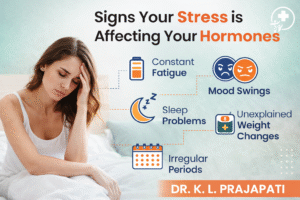
The body often gives early warning signs before a serious issue develops. When stress starts affecting your hormones, symptoms may appear gradually and are often overlooked in the beginning. Studies suggest that over 70% of people experiencing chronic stress report physical or hormonal symptoms without recognizing the cause.
You may feel constantly tired even after proper rest or struggle with sleep despite feeling exhausted. Mood changes such as irritability, anxiety, or mild depression are also common. Research shows that chronic stress increases the risk of sleep disturbances by nearly 40–60%.
Common signs to watch for:
- Persistent fatigue and low energy
- Sleep problems or insomnia
- Mood swings, anxiety, or irritability
- Unexplained weight gain (especially abdominal fat, seen in 35–45% cases)
- Digestive discomfort or bloating
Hormonal effects can differ in men and women. In women, stress-related hormonal imbalance can lead to irregular periods, affecting nearly 20–30% of women under stress. Men may experience low energy, reduced focus, and decreased stamina. Skin issues like acne and hair fall are also common, with stress contributing to hair fall in up to 40% of cases.
If these symptoms continue, they should not be ignored. Consulting a hormone specialist in Indore can help identify the underlying cause and guide you toward effective treatment.
Quick Self-Check: Is Stress Affecting Your Hormones?
Take a moment to reflect on your daily routine. If you answer “Yes” to multiple questions below, your hormones might be getting affected by stress:
- Do you feel tired even after a full night’s sleep?
- Have you noticed sudden weight gain or difficulty losing weight?
- Do you often feel anxious, irritated, or low without a clear reason?
- Are you facing sleep issues or waking up frequently at night?
- (For women) Are your periods irregular or more painful than usual?
- (For men) Do you feel low energy or reduced stamina lately?
If you answered “Yes” to 3 or more, it may be a sign that stress is impacting your hormonal balance.
Do not ignore these early signals. Identifying the issue early can help prevent long-term health complications and improve your overall well-being.
Who is at Higher Risk?
Certain lifestyle patterns increase the risk of stress-related hormonal imbalance. People with high-pressure routines, long working hours, and inadequate rest are more vulnerable. Studies show that individuals working more than 9–10 hours a day have a 40% higher risk of stress-related health issues. Lack of physical activity and poor dietary habits further contribute to hormonal disruption.
Sleep is another key factor in maintaining hormonal balance. Research indicates that people who sleep less than 6 hours per night are up to 2 times more likely to experience hormonal imbalance. Excessive screen time, especially before bedtime, can reduce melatonin levels and disturb natural sleep cycles.
High-risk groups include:
- Individuals with high-stress jobs or long working hours
- People with poor sleep habits or irregular routines
- Those with sedentary lifestyles and unhealthy diets
- Individuals with excessive screen exposure at night
Additionally, people with chronic conditions like diabetes or thyroid disorders need to be more cautious. Studies suggest that stress can worsen these conditions by 30–50%, making hormonal balance even harder to maintain.
Recognizing these risk factors early and seeking Hormonal Imbalance Treatment in Indore can help prevent complications and support long-term health.
Long-Term Effects of Ignoring Hormonal Imbalance
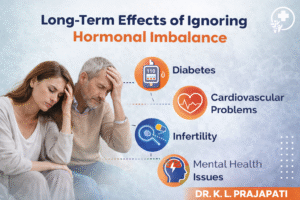
Ignoring hormonal imbalance over time can lead to serious health complications. What may begin as mild fatigue or mood changes can gradually progress into chronic conditions such as obesity, diabetes, thyroid disorders, and reproductive health issues. Studies show that untreated hormonal imbalance increases the risk of metabolic disorders by up to 40–60%.
Persistent imbalance can also impact overall health, including heart function, bone density, and mental well-being. For instance, hormonal issues are linked to a 20–30% higher risk of cardiovascular problems and can contribute to reduced bone strength over time. Mental health is also affected, with increased chances of anxiety, depression, and chronic fatigue.
Common long-term risks include:
- Obesity and slow metabolism
- Type 2 diabetes and insulin resistance
- Thyroid disorders
- Fertility and reproductive issues
- Heart health complications
- Weak bones and low energy levels
Many patients delay treatment until symptoms begin to disrupt daily life. In fact, over 50% of individuals seek medical help only in advanced stages, making treatment more complex.
With timely Hormonal Imbalance Treatment in Indore, it is possible to restore balance, manage symptoms effectively, and prevent long-term health risks.
When Should You See a Doctor?
It is important to listen to your body and not ignore persistent symptoms. If you experience constant fatigue, unexplained weight changes, sleep disturbances, or mood swings that continue for more than 2–3 weeks, it’s advisable to consult a doctor. Studies show that early diagnosis can reduce complications by up to 40%, making timely action crucial.
Delaying medical attention can allow the imbalance to worsen and affect multiple body systems. In fact, over 50% of people tend to ignore early symptoms, assuming they are due to stress or lifestyle factors, which often leads to delayed treatment.
You should consider seeing a doctor if you notice:
- Ongoing fatigue or low energy
- Sudden weight gain or loss
- Sleep issues or insomnia
- Mood changes, anxiety, or irritability
- Irregular periods or low stamina
Early evaluation helps identify the root cause and ensures the right treatment at the right time. Consulting a hormonal imbalance doctor in Indore can provide accurate diagnosis, personalized care, and prevent long-term complications.
Diagnosis and Medical Evaluation
Diagnosing hormonal imbalance involves a detailed understanding of your symptoms, lifestyle, and medical history. Doctors usually recommend blood tests to assess hormone levels and detect underlying issues. Studies show that over 70% of hormonal imbalances can be identified through routine blood investigations.
The process is simple but requires careful evaluation. The aim is not just to treat symptoms but to find the root cause. Early diagnosis can improve treatment success rates by up to 40–50%, helping patients recover faster. Many individuals feel relieved after diagnosis, as it explains symptoms they may have experienced for months or even years.
Hormonal Imbalance Treatment in Indore
Treatment varies from person to person depending on the cause, severity, and overall health. A combined approach of lifestyle changes and medical care delivers the best results. Research suggests that lifestyle modifications alone can improve hormonal balance in nearly 30–40% of mild cases.
Treatment may include:
- Balanced diet and nutritional guidance
- Stress management techniques
- Sleep improvement strategies
- Regular physical activity
- Medications (if required)
Simple habits like proper sleep, reduced screen time, and daily exercise can significantly improve hormonal health. In moderate to severe cases, medical treatment helps regulate hormone levels effectively. With expert care, over 80% of patients experience noticeable improvement in symptoms.
Why Choose Dr. KL Prajapati in Indore?
Dr. KL Prajapati is a highly experienced Senior Consultant Physician in Indore with over 40+ years of medical practice. His approach focuses on understanding each patient’s condition in detail and providing practical, personalized treatment.
Patients trust him for accurate diagnosis and ethical care. He emphasizes treating the root cause rather than just symptoms, which leads to long-term results. His patient-friendly approach helps individuals feel comfortable and confident throughout their treatment journey.
If you are looking for the best hormonal imbalance treatment in Indore, consulting an experienced doctor like Dr. Prajapati can make a significant difference in your recovery and overall well-being.
Tips to Manage Stress and Balance Hormones
Managing stress is essential for maintaining hormonal balance. Along with medical care, daily habits play a key role in recovery. Studies show that regular lifestyle changes can improve hormonal health by up to 30–40%.
Effective tips include:
- Maintain 7–8 hours of sleep, as poor sleep can disrupt hormones by up to 50%
- Engage in light exercise like walking or yoga (reduces stress levels by 20–30%)
- Limit screen time, especially before bed, to support melatonin production
- Eat a balanced diet rich in nutrients to support hormone function
- Practice relaxation techniques like meditation or deep breathing
- Take short breaks and stay socially connected to improve emotional well-being
Small, consistent changes can significantly improve how your body responds to stress and help restore hormonal balance over time.
FAQs
Can stress really cause hormonal imbalance?
Yes, chronic stress increases cortisol levels, which disrupt other hormones like thyroid, insulin, and reproductive hormones. This affects sleep, mood, and metabolism over time. Studies show around 60% of hormonal imbalances are linked to prolonged stress. Seeking Hormonal Imbalance Treatment in Indore helps manage the root cause effectively.
What hormone is most affected by stress?
Cortisol is the main hormone affected by stress. While helpful in short-term situations, long-term elevation can disturb multiple hormones. This can lead to weight gain, sleep issues, and mood changes. Research shows high cortisol increases metabolic disorder risk by 40–50%.
How do I know if my hormones are imbalanced?
Common signs include fatigue, mood swings, weight changes, sleep problems, hair fall, and irregular periods. These symptoms often develop slowly and are ignored. Studies suggest over 70% of people delay recognizing these signs. Consulting a hormone specialist in Indore ensures timely diagnosis.
Can hormonal imbalance be treated naturally?
Yes, early-stage imbalance can improve with lifestyle changes like better sleep, stress control, exercise, and a healthy diet. Research shows 30–40% of mild cases improve naturally. However, advanced cases may need medical treatment for proper balance.
Where can I get hormonal imbalance treatment in Indore?
You can consult Dr. KL Prajapati, a Senior Consultant Physician in Indore with 40+ years of experience. He focuses on root-cause diagnosis and personalized care. His approach ensures effective and long-term results for Hormonal Imbalance Treatment in Indore.
Is hormonal imbalance a serious condition?
If untreated, it can lead to diabetes, thyroid disorders, infertility, and heart issues. It also affects mental and emotional health. Studies show a 40–60% higher risk of chronic diseases if ignored. Early treatment can effectively manage and even reverse the condition.